Connect With Us
Blog
Items filtered by date: January 2026
Wednesday, 28 January 2026 00:00
Wounds That Don't Heal Need to Be Checked

Your feet are covered most of the day. If you're diabetic, periodic screening is important for good health. Numbness is often a sign of diabetic foot and can mask a sore or wound.
Tuesday, 27 January 2026 00:00
Effects of Obesity on the Feet

Excess body weight places ongoing stress on the feet, which are responsible for supporting the entire body with every step. As body weight increases, pressure through the heels, arches, and forefoot follows suit, often leading to pain, fatigue, and changes in foot structure. Carrying extra weight can contribute to flattening of the arches, which may affect alignment and place added strain on tendons and joints in the feet and ankles. Increased pressure on the forefoot raises the risk of calluses, corns, bunions, and nerve irritation. Heel pain related to strain on the plantar fascia and joint discomfort in the midfoot and ankle may also develop over time. Reduced circulation and higher rates of diabetes can further affect skin health, wound healing, and sensation in the feet. A podiatrist can evaluate foot mechanics, identify pressure points, and discuss appropriate treatment options. If you have foot pain related to carrying extra weight, it is suggested that you make an appointment with a podiatrist for an evaluation.
Obesity has become very problematic at this point in time and can have extremely negative effects on the feet. If you’re an obese individual and are concerned about your feet, contact one of our podiatrists from Advanced Foot and Ankle Centers, Inc.. Our doctors can provide the care you need to keep you pain-free and on your feet.
Obesity and Your Feet
Since your feet are what support your entire weight when standing, any additional weight can result in pain and swelling. Being overweight is one of the main contributors to foot complications.
Problems & Complications
Extra Weight – Even putting on just a few extra pounds could create serious complications for your feet. As your weight increases, your balance and body will shift, creating new stresses on your feet. This uneven weight distribution can cause pain, even while doing the simplest tasks, such as walking.
Diabetes – People who are overweight are at serious risk of developing type-2 diabetes, which has a drastic impact on the health of your feet. As you get older, your diabetes might worsen, which could lead to loss of feeling in your feet, sores, and bruises. You could also become more prone to various infections.
Plantar fasciitis – Pressure and stress that is placed on muscles, joints, and tendons can trigger plantar fasciitis, which is an inflammation of tissue that forms along the bottom of the foot.
If you have any questions, please feel free to contact our offices located in Clovis and Madera, CA . We offer the newest diagnostic and treatment technologies for all your foot care needs.
Tuesday, 20 January 2026 00:00
The Role of a Podiatrist in Foot and Ankle Health

A podiatrist is a medical specialist who focuses on the diagnosis, treatment, and prevention of conditions affecting the feet and ankles. This type of doctor plays an important role in promoting foot health, improving mobility, and supporting overall wellness. Podiatrists treat a wide range of foot and ankle conditions, including injuries, infections, deformities, and chronic pain. This type of doctor also plays a key role in diabetes care by monitoring circulation, nerve health, and skin integrity to help prevent ulcers and serious complications. Through regular exams, education, and preventive care, podiatrists help patients stay active and independent. If you are experiencing foot pain, changes in sensation, or difficulty walking, it is strongly suggested that you consult a podiatrist to improve comfort and protect your feet.
If you are experiencing pain in the feet or ankles, don’t join the stubborn majority refusing treatment. Feel free to contact one of our podiatrists from Advanced Foot and Ankle Centers, Inc.. Our doctors can provide the care you need to keep you pain-free and on your feet.
What Is a Podiatrist?
Someone would seek the care of a podiatrist if they have suffered a foot injury or have common foot ailments such as heal spurs, bunions, arch problems, deformities, ingrown toenails, corns, foot and ankle problems, etc.
Podiatric Treatment
A podiatrist will treat the problematic areas of the feet, ankle or lower leg by prescribing the following:
- Physical therapy
- Drugs
- Orthotic inserts or soles
- Surgery on lower extremity fractures
A common podiatric procedure a podiatrist will use is a scanner or force plate which will allow the podiatrist to know the designs of orthotics. Patients are then told to follow a series of tasks to complete the treatment. The computer will scan the foot a see which areas show weight distribution and pressure points. The podiatrist will read the analysis and then determine which treatment plans are available.
If you have any questions, please feel free to contact our offices located in Clovis and Madera, CA . We offer the newest diagnostic and treatment technologies for all your foot care needs.
Tuesday, 13 January 2026 00:00
Understanding Sesamoiditis and Its Impact on the Forefoot
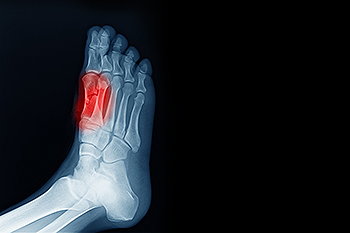
Sesamoiditis is a painful condition that affects the small sesamoid bones located beneath the big toe joint. These tiny bones act like pulleys, helping the tendons function smoothly during activities such as walking, running, and pushing off the ground. When the surrounding tissues become inflamed from overuse, repetitive impact, wearing high heeled shoes, or increased athletic activity, pain develops under the big toe and can make every step uncomfortable. The discomfort often worsens during weightbearing activities and may be accompanied by swelling or tenderness in the ball of the foot. A podiatrist can diagnose sesamoiditis through a physical exam and imaging, then recommend treatments that reduce pressure on the area. Care may include activity modification, offloading pads, custom orthotics, or supportive footwear. In more persistent cases, immobilization or other targeted therapies may be necessary. If you have pain under your big toe, it is suggested that you schedule an appointment with a podiatrist for a proper diagnosis and appropriate treatment.
Sesamoiditis is an unpleasant foot condition characterized by pain in the balls of the feet. If you think you’re struggling with sesamoiditis, contact one of our podiatrists of Advanced Foot and Ankle Centers, Inc.. Our doctors will treat your condition thoroughly and effectively.
Sesamoiditis
Sesamoiditis is a condition of the foot that affects the ball of the foot. It is more common in younger people than it is in older people. It can also occur with people who have begun a new exercise program, since their bodies are adjusting to the new physical regimen. Pain may also be caused by the inflammation of tendons surrounding the bones. It is important to seek treatment in its early stages because if you ignore the pain, this condition can lead to more serious problems such as severe irritation and bone fractures.
Causes of Sesamoiditis
- Sudden increase in activity
- Increase in physically strenuous movement without a proper warm up or build up
- Foot structure: those who have smaller, bonier feet or those with a high arch may be more susceptible
Treatment for sesamoiditis is non-invasive and simple. Doctors may recommend a strict rest period where the patient forgoes most physical activity. This will help give the patient time to heal their feet through limited activity. For serious cases, it is best to speak with your doctor to determine a treatment option that will help your specific needs.
If you have any questions, please feel free to contact our offices located in Clovis and Madera, CA . We offer the newest diagnostic and treatment technologies for all your foot care needs.
Tuesday, 06 January 2026 00:00
Managing Ingrown Toenails

Ingrown toenails, which account for approximately 20 percent of all foot issues, develop when the edge of a toenail grows into the surrounding skin. The affected toe may look red, swollen, and tender, and, in some cases, pus or an infection may develop. It often feels painful, throbbing, or sore, especially when wearing shoes or applying pressure. Common causes include improper nail trimming, wearing tight or ill-fitting footwear, injury to the toe, or hereditary nail shape. A podiatrist can begin by examining the nail and surrounding tissue, assessing the severity of the ingrown nail, and checking for infection. Treatment may include safe removal of the ingrown portion, guidance on proper nail care, infection management, if needed, and recommendations for protective footwear or orthotics to reduce pressure. In chronic or severe cases, minor surgical procedures may be performed to prevent recurrence. Because early professional care reduces pain and prevents complications, it is suggested that you schedule an appointment with a podiatrist for effective relief and treatment solutions.
Ingrown toenails may initially present themselves as a minor discomfort, but they may progress into an infection in the skin without proper treatment. For more information about ingrown toenails, contact one of our podiatrists of Advanced Foot and Ankle Centers, Inc.. Our doctors can provide the care you need to keep you pain-free and on your feet.
Ingrown Toenails
Ingrown toenails are caused when the corner or side of a toenail grows into the soft flesh surrounding it. They often result in redness, swelling, pain, and in some cases, infection. This condition typically affects the big toe and may recur if it is not treated properly.
Causes
- Improper toenail trimming
- Genetics
- Improper shoe fitting
- Injury from pedicures or nail picking
- Abnormal gait
- Poor hygiene
You are more likely to develop an ingrown toenail if you are obese, have diabetes, arthritis, or have any fungal infection in your nails. Additionally, people who have foot or toe deformities are at a higher risk of developing an ingrown toenail.
Symptoms
Some symptoms of ingrown toenails are redness, swelling, and pain. In rare cases, there may be a yellowish drainage coming from the nail.
Treatment
Ignoring an ingrown toenail can have serious complications. Infections of the nail border can progress to a deeper soft-tissue infection, which can then turn into a bone infection. You should always speak with your podiatrist if you suspect you have an ingrown toenail, especially if you have diabetes or poor circulation.
If you have any questions, please feel free to contact our offices located in Clovis and Madera, CA . We offer the newest diagnostic and treatment technologies for all your foot care needs.
