Connect With Us
Blog
Items filtered by date: March 2026
Tuesday, 10 March 2026 00:00
Bunions and Running
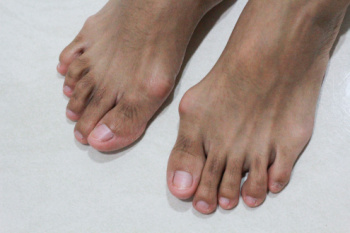
Running can place repeated pressure on the big toe joint, which is especially challenging for people with bunions. A bunion is a bony bump that forms at the base of the big toe where it connects to the foot. As the big toe shifts inward, the joint becomes enlarged, irritated, and painful during push-off. Standard running shoes with a narrow toe box can increase friction and crowd the toes, worsening discomfort and joint stress. In contrast, running shoes designed for people with bunions often have a wider toe box to reduce rubbing, softer or stretchable upper materials to decrease pressure, and strong arch support to help distribute body weight more evenly across the foot. Proper cushioning can limit strain on the front of the foot. A podiatrist can assess foot structure and recommend appropriate footwear or custom orthotics to improve alignment and reduce pain. If you have foot or ankle pain after running, it is suggested that you schedule an appointment with a podiatrist for an exam, diagnosis, and appropriate treatment.
If you are suffering from bunions, contact one of our podiatrists of Advanced Foot and Ankle Centers, Inc.. Our doctors can provide the care you need to keep you pain-free and on your feet.
What Is a Bunion?
A bunion is formed of swollen tissue or an enlargement of boney growth, usually located at the base joint of the toe that connects to the foot. The swelling occurs due to the bones in the big toe shifting inward, which impacts the other toes of the foot. This causes the area around the base of the big toe to become inflamed and painful.
Why Do Bunions Form?
Genetics – Susceptibility to bunions are often hereditary
Stress on the feet – Poorly fitted and uncomfortable footwear that places stress on feet, such as heels, can worsen existing bunions
How Are Bunions Diagnosed?
Podiatrists often perform two tests – blood tests and x-rays – when trying to diagnose bunions, especially in the early stages of development. Blood tests help determine if the foot pain is being caused by something else, such as arthritis, while x-rays provide a clear picture of your bone structure to your provider.
How Are Bunions Treated?
- Refrain from wearing heels or similar shoes that cause discomfort
- Select wider shoes that can provide more comfort and reduce pain
- Anti-inflammatory and pain management drugs
- Orthotics or foot inserts
- Surgery
If you have any questions, please feel free to contact our offices located in Clovis and Madera, CA . We offer the newest diagnostic and treatment technologies for all your foot care needs.
Tuesday, 03 March 2026 00:00
Understanding Fungal Nails and Black Toenails
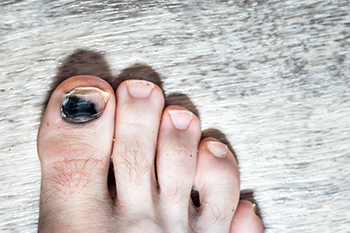
Fungal nails and black toenails are common concerns that can affect both comfort and confidence. A fungal nail often begins as a yellow or white discoloration and may thicken, crumble, or lift from the nail bed over time. The nail can appear brittle and distorted and may feel tender or produce a mild odor. A black toenail is frequently caused by trauma, such as repetitive pressure from running or wearing tight shoes, that leads to bleeding beneath the nail. A fungal toenail can lead to a black toenail, It may look dark purple or black and can feel sore or throbbing. Risk factors include damp environments, shared locker rooms, ill-fitting footwear, injury, and certain medical conditions. A podiatrist can examine the nail and order laboratory testing to confirm infection or rule out other causes. Treatment may include antifungal medication, trimming and debridement, footwear guidance, or minor procedures. If you have fungal nails or a black toenail, it is suggested that you make an appointment with a podiatrist.
For more information about treatment, contact one of our podiatrists of Advanced Foot and Ankle Centers, Inc.. Our doctors can provide the care you need to keep you pain-free and on your feet.
Toenail Fungus Treatment
Toenail fungus is a condition that affects many people and can be especially hard to get rid of. Fortunately, there are several methods to go about treating and avoiding it.
Antifungals & Deterrence
Oral antifungal medicine has been shown to be effective in many cases. It is important to consult with a podiatrist to determine the proper regiment for you, or potentially explore other options.
Applying foot powder on the feet and shoes helps keep the feet free of moisture and sweat.
Sandals or open toed shoes – Wearing these will allow air movement and help keep feet dry. They also expose your feet to light, which fungus cannot tolerate. Socks with moisture wicking material also help as well.
If you have any questions please contact our offices located in Clovis and Madera, CA . We offer the newest diagnostic and treatment technologies for all your foot and ankle needs.
